
How Does Helping the Homeless Help the Community?
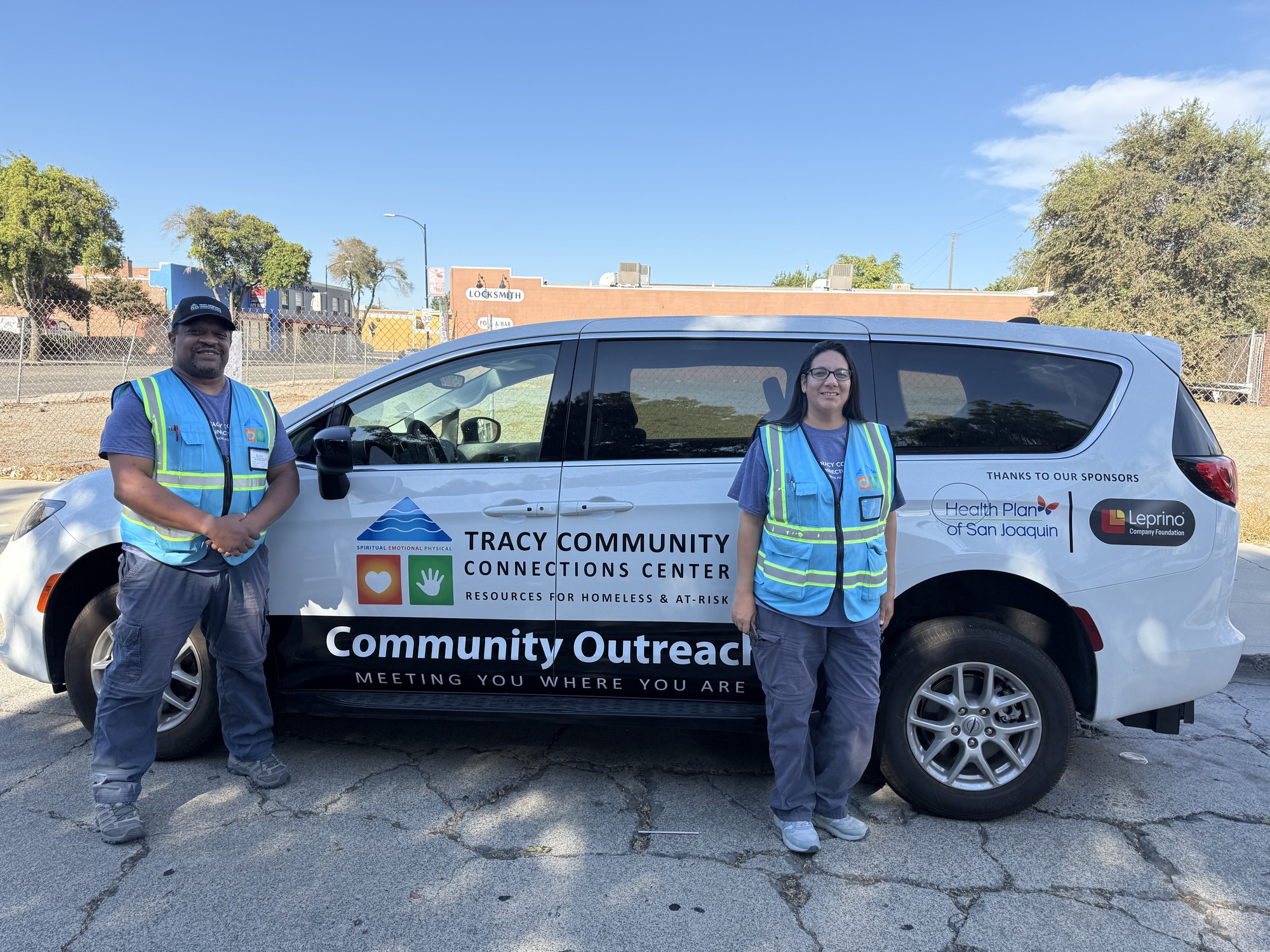
When we talk about homelessness, the focus is often on the individuals experiencing it, and rightfully so. But what’s often overlooked is how deeply homelessness affects the entire community. Addressing it should not only be a moral obligation, but a practical investment in the health, safety, and prosperity of the city we share.
At Tracy Community Connections Center (TCCC), we see firsthand the ripple effects that happen when someone transitions from homelessness to stable housing. When a person has a safe place to sleep, they’re no longer living in doorways, parks, or on sidewalks. That change benefits everyone. Public spaces are cleaner and safer, litter is reduced, and neighborhoods become more welcoming for families and local businesses. It also means fewer emergency calls and less strain on police officers, EMTs, and hospital emergency departments who are often stretched thin responding to preventable crises.
Stable housing makes it possible for people to access healthcare, mental health services, and addiction treatment. Instead of cycling through emergency rooms or psychiatric hospitalizations, individuals can work on long-term stability with consistent support. For families, housing stability allows children to stay in school without the trauma and disruption of constant moves or nights spent sleeping in cars. For adults, it creates a pathway back into the workforce, which strengthens the local economy. Every person who regains stability is someone who can work, pay taxes, and contribute to the community instead of being forced to survive on the margins.
The financial case is undeniable. Numerous studies show that supportive housing costs taxpayers far less than allowing people to remain unhoused. Emergency room visits, jail stays, and shelter nights add up quickly. Preventing homelessness, or addressing it early through rental assistance and eviction prevention, is far more cost-effective than managing the aftermath. At TCCC, our programs are funded by a combination of grants, donations, and sponsorships, all of which ultimately lighten the load on taxpayers by reducing the need for high-cost emergency interventions.
It’s more expensive to let people remain homeless than it is to house them. A city that invests in housing and support services reduces trauma for everyone from residents, businesses, and first responders, to the unhoused individuals themselves. Compassion matters deeply when it comes to helping the homeless, but a fortunate effect of this compassion is that we build a stronger, cleaner, safer, and more economically sound community.