
Why Some People Experiencing Homelessness In Tracy Still Have Jobs
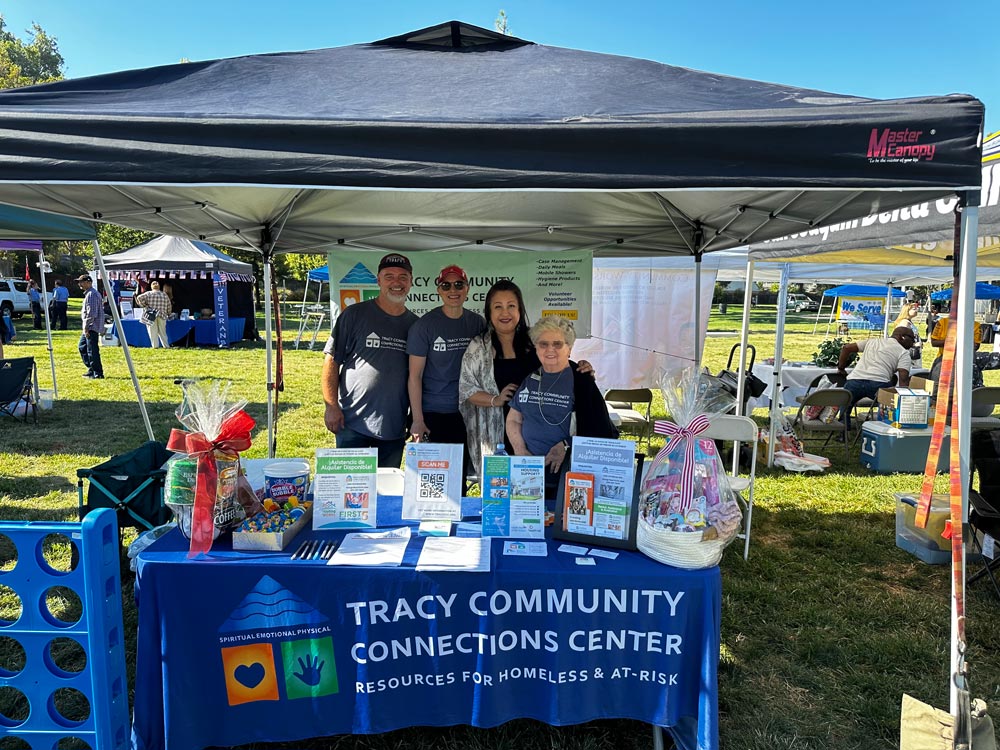
When most people think about homelessness, they often assume unemployment is the primary cause. While losing a job can certainly lead to housing instability, the reality is that many people experiencing homelessness are currently working. In Tracy and throughout San Joaquin County, employed individuals and families are increasingly finding themselves unable to keep up with the rising cost of housing.
One of the biggest factors is the growing gap between wages and rent. Even people working full-time may struggle to afford housing when rent consumes a large portion of their income. A single unexpected expense like a car repair, medical bill, reduction in work hours, or family emergency, can quickly push someone from being housed to living in their vehicle, staying with friends, or sleeping outside.
Many of the individuals Tracy Community Connections Center (TCCC) works with are actively employed or seeking employment. Some work in retail, restaurants, warehouses, construction, healthcare support, or other essential industries. Yet despite earning a paycheck, they may still face barriers such as security deposits, past evictions, transportation challenges, childcare costs, or a shortage of affordable housing options. Employment alone does not always guarantee housing stability.
This is why TCCC’s services focus on more than just emergency assistance. Through case management, housing navigation, rental assistance referrals, street outreach, and connections to community resources, our team works to help people address the challenges that can make it difficult to maintain housing even while employed. Sometimes a relatively small intervention at the right moment can prevent a family from losing their housing altogether.
The growing number of working individuals experiencing homelessness is a reminder that housing instability is often the result of complex economic pressures rather than personal failure. By supporting prevention efforts, housing resources, and community-based services, we can help more people remain housed and regain long-term stability.