
The Importance of Homelessness Prevention
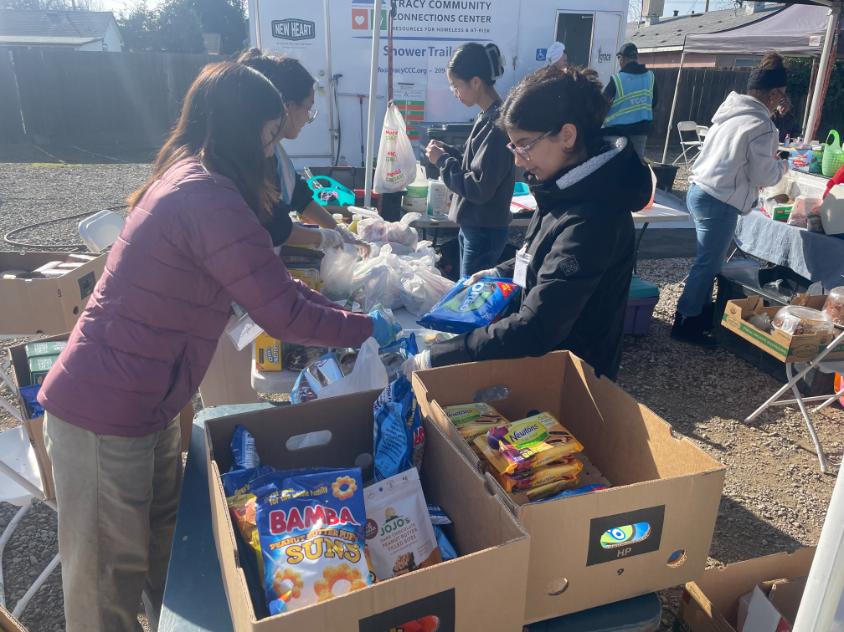
When people think about homelessness, the focus is often on what happens after someone loses their housing. But across California, there’s a growing understanding that one of the most effective solutions is much simpler: prevent homelessness before it happens. At Tracy Community Connections Center (TCCC), this approach has long been a core part of our mission.
For many individuals and families, homelessness doesn’t happen overnight. It’s often the result of a sudden job loss, a medical issue, rising rent, or an unexpected life event. In these moments, small, timely support can make all the difference. Programs across the state have shown that short-term financial assistance such as help with rent, deposits, or urgent expenses, can significantly reduce the likelihood that someone will lose their housing in the first place. Just a few thousand dollars at the right time can prevent months or even years of instability.
This is exactly where TCCC’s eviction prevention, rental assistance, and case management services come in. By working with individuals who are at risk of losing their housing, our team helps stabilize situations before they become crises. That might mean helping someone catch up on rent, connecting them to resources, or simply guiding them through a difficult transition. The goal is not just to solve an immediate problem, but to create a path toward long-term stability.
Prevention also has a broader impact on the community. When fewer people fall into homelessness, it reduces strain on emergency shelters, healthcare systems, and outreach services. This allows for more resources to go toward those with the most urgent needs. More importantly, it helps people avoid the trauma and disruption that come with losing a home in the first place.
At TCCC, we see every day how powerful prevention can be. It’s not always the most visible work, but it’s some of the most impactful. By stepping in early, offering support, and treating people with dignity, we’re helping individuals and families stay housed, and ultimately building a stronger, more stable community for everyone.