When most people think about homelessness, they often assume unemployment is the primary cause. While losing a job can certainly lead to housing instability, the reality is that many people experiencing homelessness are currently working. In Tracy and throughout San Joaquin County, employed individuals and families are increasingly finding themselves unable to keep up with the rising cost of housing.
One of the biggest factors is the growing gap between wages and rent. Even people working full-time may struggle to afford housing when rent consumes a large portion of their income. A single unexpected expense like a car repair, medical bill, reduction in work hours, or family emergency, can quickly push someone from being housed to living in their vehicle, staying with friends, or sleeping outside.
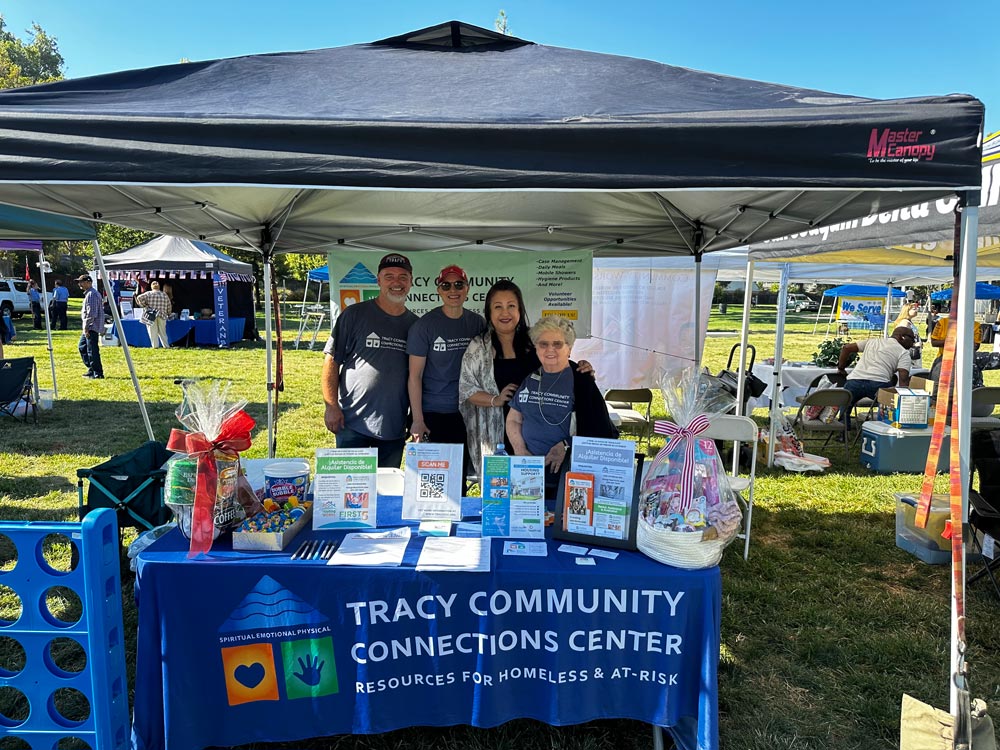
Many of the individuals Tracy Community Connections Center (TCCC) works with are actively employed or seeking employment. Some work in retail, restaurants, warehouses, construction, healthcare support, or other essential industries. Yet despite earning a paycheck, they may still face barriers such as security deposits, past evictions, transportation challenges, childcare costs, or a shortage of affordable housing options. Employment alone does not always guarantee housing stability.
This is why TCCC’s services focus on more than just emergency assistance. Through case management, housing navigation, rental assistance referrals, street outreach, and connections to community resources, our team works to help people address the challenges that can make it difficult to maintain housing even while employed. Sometimes a relatively small intervention at the right moment can prevent a family from losing their housing altogether.
The growing number of working individuals experiencing homelessness is a reminder that housing instability is often the result of complex economic pressures rather than personal failure. By supporting prevention efforts, housing resources, and community-based services, we can help more people remain housed and regain long-term stability.
If you’re cleaning out your closet and wondering where to donate clothing in Tracy, you have several great local options. Whether you’d like your donations to go directly to individuals in need or support organizations serving families experiencing hardship, your unwanted clothing can make a real difference in our community.
At Tracy Community Connections Center (TCCC), we accept clean adult clothing donations that can be distributed directly to individuals experiencing homelessness and housing instability. Men’s clothing is especially needed, as many of the people we serve are adult men who need everyday clothing, work attire, jackets, shoes, and other essentials. Donations help us provide clothing during our shower, laundry, and outreach programs, ensuring people have access to clean, appropriate clothing when they need it most
Families looking to support local shelter programs may also consider donating to the McHenry House Tracy Family Shelter. In addition to operating an emergency family shelter, McHenry House accepts clothing, shoes, and small household items. Donations help support both shelter residents and the organization’s 2nd Time Around Thrift Store, which generates funding for family shelter services.
Looking to donate baby clothes? Reach out to Pregnancy Resource Center to see if they are currently accepting clothing donations.
Other options include thrift organizations such as Goodwill. While some donors prefer giving directly to service organizations, thrift stores can still play an important role by generating revenue that supports charitable programs and community services.
Before donating, make sure clothing is clean, in good condition, and appropriate for reuse. A simple bag of clothes may seem small, but for someone trying to find employment, attend appointments, or simply stay warm, it can make a tremendous difference. By donating locally, you’re helping ensure those items continue serving people right here in Tracy.
Note: As of June 2026, Tracy Interfaith Ministries is not currently accepting clothing donations. But if you are looking to donate other items, please consider donating to them. Visit their donation page for the latest information.
If you’re struggling to pay rent in Tracy or worried about losing your housing, you’re not alone. Rising housing costs, unexpected medical bills, job loss, and other life challenges can put anyone at risk of falling behind on rent. Fortunately, there are several rental assistance and homelessness prevention programs available throughout San Joaquin County.
At Tracy Community Connections Center (TCCC), we help individuals and families navigate housing challenges before they become housing crises. Through programs such as HousingWORKs and our eviction prevention services, we may be able to assist eligible households with rental assistance, landlord communication, housing navigation, and connections to additional community resources. Our goal is simple: help people stay housed whenever possible. In recent years, HousingWORKs has helped hundreds of San Joaquin County residents avoid homelessness through financial assistance and case management support.
Beyond TCCC, San Joaquin County residents can find help through 211 San Joaquin, which maintains a countywide directory of rental assistance programs. Depending on your circumstances, you may qualify for assistance through veteran-focused programs, homelessness prevention services, housing agencies, or nonprofit organizations serving specific populations. 211 can also connect residents with utility assistance, food programs, legal aid, and other services that can help stabilize a household during difficult times.
It’s important to seek help as early as possible. Many programs require documentation such as a notice from your landlord, proof of income, or evidence that you are at risk of eviction. Waiting until an eviction has been finalized can significantly limit available options. If you’re facing housing instability anywhere in Tracy, Stockton, or the surrounding San Joaquin County area, contact TCCC or call 211 to learn what resources may be available for your situation. Remember: asking for help early can make all the difference.
Important Note: TCCC currently only offers the Transitional Rent Program, which provides longer-term rental support through CalAIM Community Supports, in Stanislaus County. This program is available for Medi-Cal recipients in San Joaquin County through San Joaquin County Behavioral Health.
We screen every client for eligibility and make our best effort to match each client with available funding and programs. However, eligibility and availability of funding is subject to change and never guaranteed.
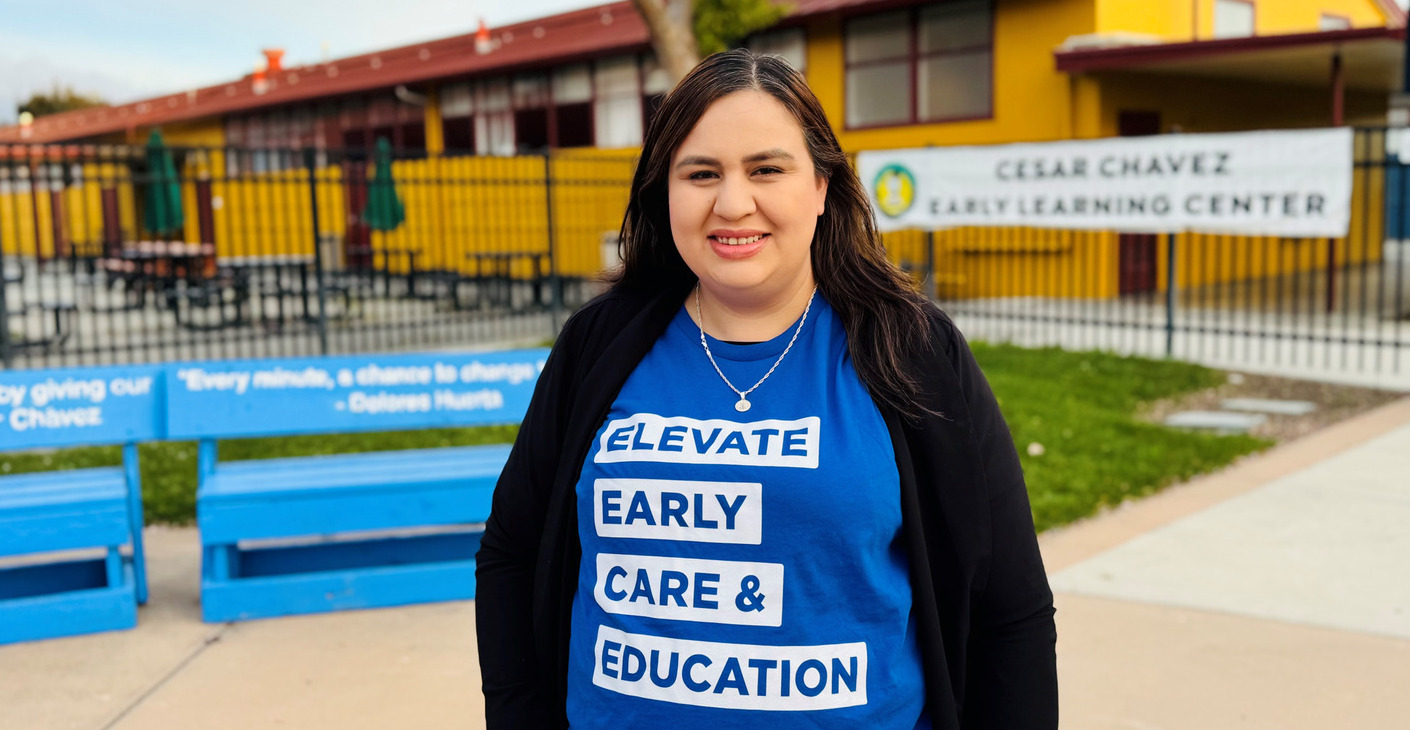
We are proud to have team members who bring not only professional experience to their work, but also deep compassion and lived understanding of the challenges many families face. Case Manager Lissete Frausto is one of those people.
Lissete is a caring and compassionate advocate dedicated to helping clients connect with essential resources and support systems. Whether assisting families with navigating services or helping individuals access critical community programs, she approaches every interaction with empathy, patience, and a genuine desire to help others succeed.
Before joining TCCC, Lissete built a strong reputation as a parent organizer and early childhood education advocate. Her leadership and commitment to empowering families earned her community recognition, including being named the 2024 recipient of the Phyllis K. Friedman – Retha Smith Robinson Community Leadership Award by the San Francisco Foundation. The award honors emerging women-of-color leaders making a meaningful impact in their communities.
In the Foundation’s feature article, “Community Parenting: How One Mom Turned Trauma into Action,” Lissete shared the deeply personal experience that inspired her advocacy journey. After her infant son suffered injuries at an unsafe daycare facility, she became determined to help create safer, more supportive systems for children and families. Through her work with Kidango, she trained and empowered parents to advocate for policies improving access to childcare and early learning opportunities throughout California.
That same passion for advocacy continues to shape her work at TCCC today. Lissete understands how overwhelming it can feel to ask for help, and she works hard to ensure every client feels heard, respected, and supported.
Outside of work, Lissete is a proud mother who enjoys spending her days off making memories with her family. Her dedication to both her community and her loved ones reflects the heart she brings into everything she does.
We are grateful to have Lissete as part of the TCCC team and proud to celebrate the positive impact she continues to make every day.
At Tracy Community Connections Center (TCCC), one of our most important goals is helping families avoid homelessness before it happens. Through the HousingWORKs Preventative Services program, TCCC has been able to provide housing support, rental assistance, case management, and community resource navigation to families across San Joaquin County.
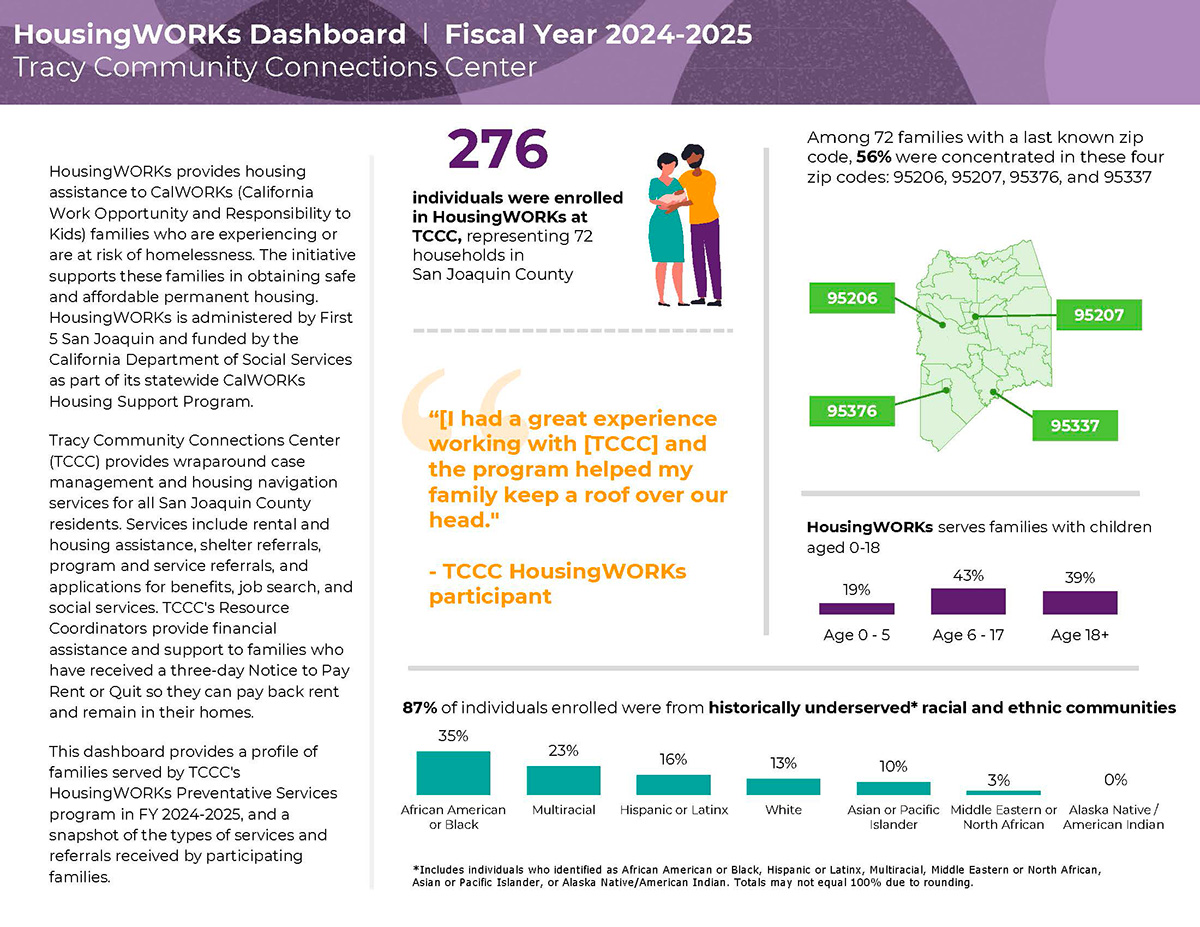
Published below you will see that the recently released HousingWORKs FY 2024–2025 dashboard highlights the impact this program is already making. During the fiscal year, 276 individuals representing 72 households received support through HousingWORKs services. The program serves CalWORKs families who are either experiencing homelessness or at immediate risk of losing housing.
One of the most encouraging outcomes from the report is that 100% of participants in the Preventative Services program were able to maintain their housing after receiving assistance. Families received help with back rent, eviction prevention, landlord coordination, housing navigation, and referrals to additional services that support long-term stability.
The report also highlights the importance of serving historically underserved communities. According to the dashboard, 87% of individuals enrolled identified as part of historically underserved racial or ethnic populations. Many participating families came from zip codes in Tracy and Stockton, including 95376 and 95337.
Beyond the numbers, the report reflects real stories of resilience. One success story shared in the dashboard describes a pregnant single mother facing eviction after losing her job. Through HousingWORKs, she received emergency rental assistance, case management, and connections to community resources while continuing her job search. She was ultimately able to regain employment and stabilize housing for her family during a critical time.