At Tracy Community Connections Center (TCCC), we often hear donors ask an important question: “How much of my donation goes directly to helping people?” It’s a fair question, but it’s also part of a larger conversation happening across the nonprofit world about something called the “overhead myth.”
The overhead myth is the belief that a nonprofit is more effective simply because it spends less on things like staffing, technology, transportation, utilities, or administrative support. While it may sound logical at first, the reality is that these expenses are not wasteful but essential to making programs work. Organizations across the country, including major nonprofit evaluators and charity watchdogs, have pushed back against the idea that low overhead automatically equals high impact.
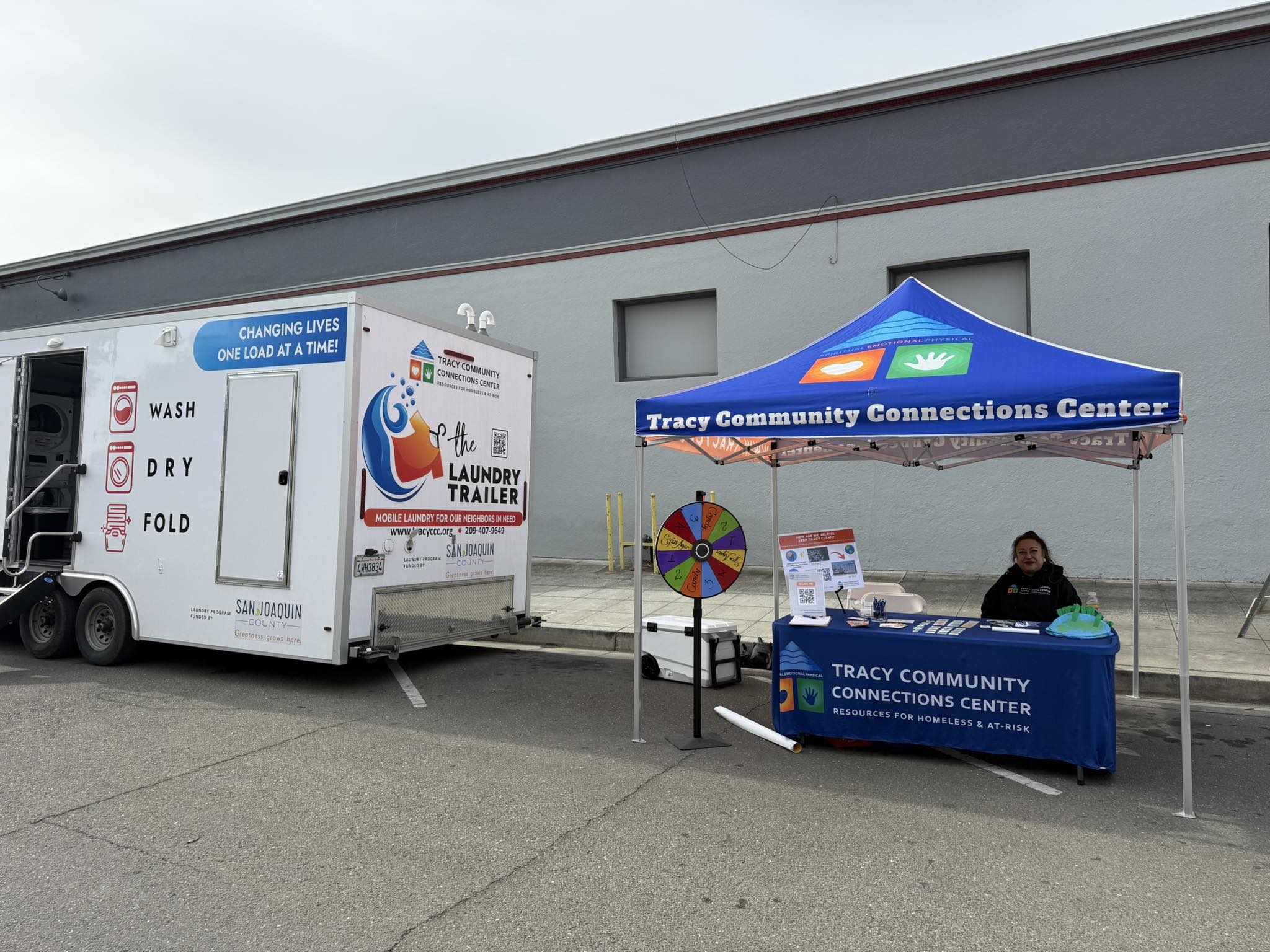
At TCCC, the services people see every day like our shower and laundry programs, street outreach, housing navigation, case management, and recuperative care support, all depend on much more than supplies alone. Our outreach team needs vehicles, fuel, training, phones, and safety equipment to connect with unhoused individuals throughout the community. Our shower and laundry programs require trailers, maintenance, utilities, storage, and staff to operate consistently each week. Our case managers need computers, secure systems, and office space to help clients apply for benefits, connect with housing resources, and coordinate care.
In other words, the work behind the scenes is what makes the direct services possible.
Investing in staff is especially important. Homelessness and housing instability are complex issues, and meaningful support requires experienced, compassionate people who can build trust and navigate difficult situations alongside clients. When nonprofits are expected to operate with minimal staffing or outdated systems just to appear “efficient,” it can lead to burnout, turnover, and reduced quality of care. Strong infrastructure allows organizations to respond consistently, safely, and effectively.
What truly matters is impact. At TCCC, success is measured by the people we serve and the lives being changed, not by how low we can keep a percentage on a spreadsheet. It’s the individual who avoided eviction because of rental assistance. The client who moved from a tent into housing. The person who found stability through case management, hygiene services, and ongoing support. These outcomes happen because a dedicated team and strong community support system are in place to make them possible.
We believe transparency matters, and we’re grateful for every donor, volunteer, and community partner who invests not only in our programs, but in the people and infrastructure that allow those programs to grow and succeed. Supporting a nonprofit means supporting the full picture of what it takes to create lasting change.
If you’re receiving public benefits in California, programs like CalWORKs often require you to participate in approved activities to continue receiving support, including access to healthcare through Medi-Cal. The good news is that these activities don’t always have to be traditional employment. In many cases, volunteering can count toward your required hours, helping you stay compliant while continuing to receive benefits.
Under CalWORKs’ Welfare-to-Work program, participants may be required to complete weekly hours through activities like job training, education, or community service and volunteering. These requirements are designed to help individuals build skills, stay engaged, and work toward long-term stability. For many people, especially those navigating barriers like homelessness or transportation challenges, volunteering can be a practical and meaningful way to meet those obligations.
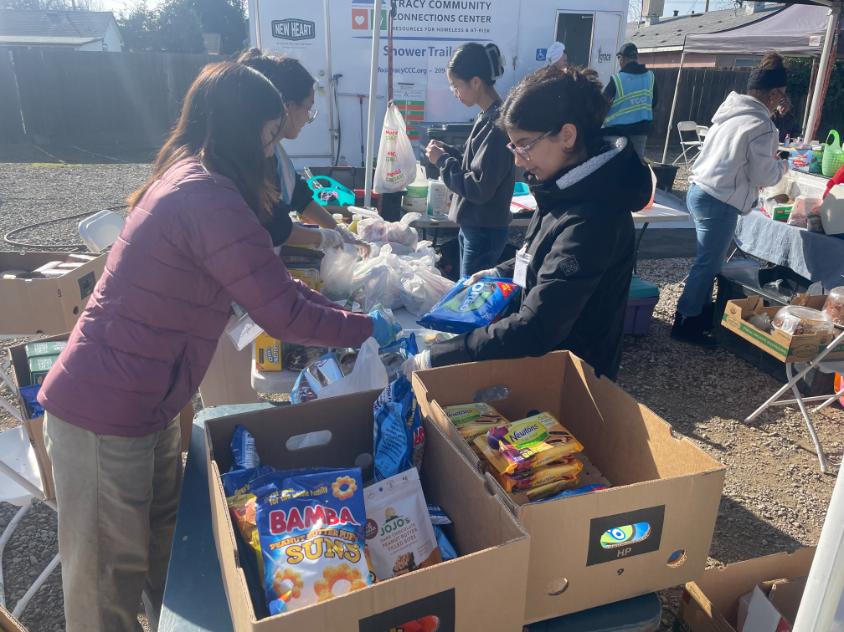
This is where organizations like Tracy Community Connections Center (TCCC) come in. Volunteering with TCCC, whether helping at the shower program, laundry services, food distribution, or outreach events, can provide structure, connection, and a pathway to meeting program requirements. It’s also an opportunity to build relationships, gain experience, and stay connected to resources that support your next steps.
If you’re part of a program like CalWORKs and want to maintain your benefits, including medical coverage, talk to your case manager about whether volunteering can count toward your required hours. It’s a simple step that can help you stay covered, stay engaged, and stay moving forward.
At Tracy Community Connections Center (TCCC), some of the most impactful work starts with meeting basic needs. Few people embody that mission more than Debbie Degravelles. As Director of the Shower and Laundry Programs, Debbie has spent the past five years helping build services that restore dignity, create connection, and open the door to lasting change.
Debbie’s journey with TCCC began as a volunteer, stepping into a role that initially felt unfamiliar. But that hesitation didn’t last long. As she began forming relationships with individuals experiencing homelessness, her perspective shifted. What she found were people doing their best to navigate incredibly difficult circumstances, often surviving on limited fixed incomes that simply weren’t enough. Over time, those early interactions turned into meaningful relationships, and the fear she once felt was replaced with empathy, respect, and genuine care. Many of those individuals are still part of her life today, whether they’ve found housing, are in transition, or are supporting loved ones of their own.
In the early days, the program focused on something simple but essential: providing showers. But Debbie quickly saw that hygiene was just one piece of a much larger need. Hunger was common, so she began bringing food herself. Clothing access was limited, so she started collecting donations to make sure clients had what they needed. What began as small, informal efforts gradually grew into the robust, multi-faceted programs TCCC offers today, serving dozens of people each week with not just showers and laundry, but food, clothing, and connection to deeper support.
Along the way, Debbie has experienced moments that reflect the full depth of this work. One that stands out is a long-time client who arrived at the program seriously ill. In a quiet, deeply personal moment, Debbie and a colleague were able to offer comfort and support during his final days. It was a reminder that TCCC’s work goes far beyond services, but simply showing up for people as whole human beings, with compassion and dignity.
The growth of the program has been driven not only by need, but by community. As more people came for support, more individuals and local businesses stepped up to help. Donations of clothing, food, and time began pouring in, turning a small volunteer effort into a true community-wide movement. Debbie often reflects on how that momentum built naturally. When people saw the work being done, they wanted to be part of it.
Of course, the journey hasn’t been without challenges. Setbacks have come, including the loss of access to spaces that once supported the work. But even in those moments, there have been powerful reminders of impact. Debbie recalls meeting a man during those earlier days who was struggling with homelessness and addiction. With support and persistence, he found his way into recovery, went back to school, and now helps run multiple sober living homes in Tracy. Stories like his are a testament to what’s possible when someone is given a chance.
Looking ahead, Debbie sees even more opportunity. The need is still great, and the potential to expand services and reach more people continues to drive her work. Her vision is clear: to keep building programs that not only meet immediate needs, but help people move forward with stability and hope.
Through it all, Debbie’s impact is evident, not just in the programs she’s helped grow, but in the countless lives she’s touched along the way.
When people think about homelessness, the focus is often on what happens after someone loses their housing. But across California, there’s a growing understanding that one of the most effective solutions is much simpler: prevent homelessness before it happens. At Tracy Community Connections Center (TCCC), this approach has long been a core part of our mission.
For many individuals and families, homelessness doesn’t happen overnight. It’s often the result of a sudden job loss, a medical issue, rising rent, or an unexpected life event. In these moments, small, timely support can make all the difference. Programs across the state have shown that short-term financial assistance such as help with rent, deposits, or urgent expenses, can significantly reduce the likelihood that someone will lose their housing in the first place. Just a few thousand dollars at the right time can prevent months or even years of instability.
This is exactly where TCCC’s eviction prevention, rental assistance, and case management services come in. By working with individuals who are at risk of losing their housing, our team helps stabilize situations before they become crises. That might mean helping someone catch up on rent, connecting them to resources, or simply guiding them through a difficult transition. The goal is not just to solve an immediate problem, but to create a path toward long-term stability.
Prevention also has a broader impact on the community. When fewer people fall into homelessness, it reduces strain on emergency shelters, healthcare systems, and outreach services. This allows for more resources to go toward those with the most urgent needs. More importantly, it helps people avoid the trauma and disruption that come with losing a home in the first place.
At TCCC, we see every day how powerful prevention can be. It’s not always the most visible work, but it’s some of the most impactful. By stepping in early, offering support, and treating people with dignity, we’re helping individuals and families stay housed, and ultimately building a stronger, more stable community for everyone.
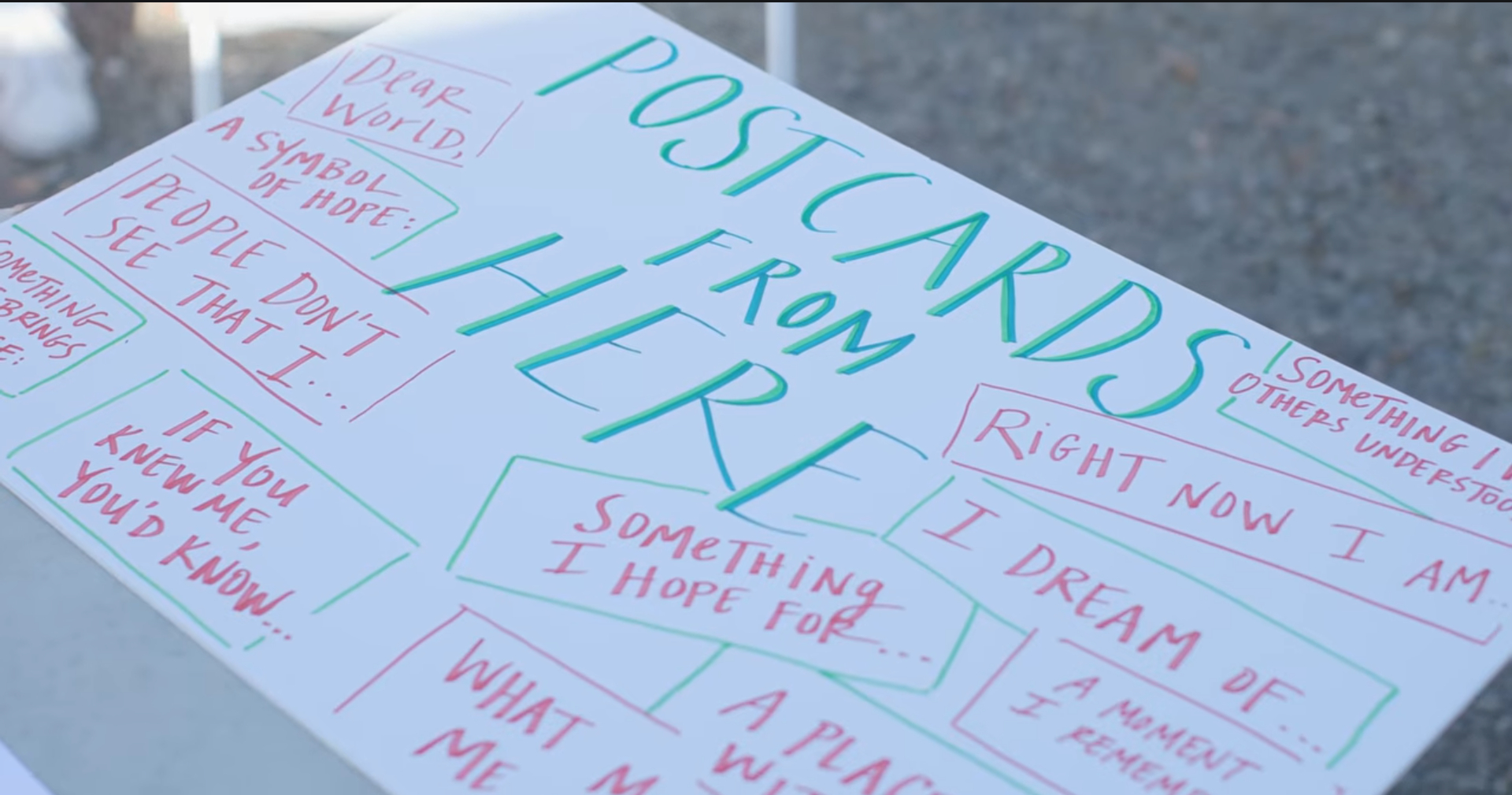
We recently hosted a “Postcards from Here” event, where we invited participants to share their stories about homelessness, reflecting on their experiences, their hopes, and what they wish others understood about their journey.
A huge thank you to The Save Mart Companies CARES Foundation for their generous support of this project.
In this short video, we spoke to our clients and team to hear their stories:
The stories shared during the event were a reminder of an important truth: homelessness can happen to anyone. Some individuals spoke about losing jobs unexpectedly, facing sudden evictions, or dealing with life-altering events like house fires. For many, it was their first time experiencing homelessness, something they never imagined would happen to them. These firsthand accounts challenge common misconceptions and highlight that homelessness is not defined by one single cause or stereotype.
At the same time, the event also showcased stories of resilience, growth, and transformation. One individual shared how, with support from TCCC’s outreach team, they were able to move from living in a tent to securing shelter, finding employment, and rebuilding their life. Others spoke about the importance of having access to basic services like showers, laundry, healthcare, and other resources that provide both physical support and a renewed sense of dignity and hope.
Beyond the individual stories, the event created space for connection. Participants, staff, and volunteers came together to listen, learn, and see one another beyond labels. The artwork and conversations reflected a shared message: despite different circumstances, we all have more in common than we might think. Compassion, understanding, and community can go a long way in helping people feel seen and supported.
As TCCC Executive Director Carrie Grover shared, the organization’s mission is not only to help individuals move out of homelessness, but also to prevent it in the first place through programs like eviction prevention, case management, and rental assistance. Events like this one are a powerful reminder that behind every service is a person, and behind every person is a story worth hearing.